


Electrical Cabinet Troubleshooting & Problem-Solving Guide
Your Complete Handbook for Keeping Industrial Equipment Running Smoothly
Your plant is running smoothly. Production is on schedule. Then suddenly—something goes wrong with your electrical cabinet. The equipment shuts down. Alarms go off. And now your operation is at a standstill.
This happens in factories across Africa, the Middle East, Asia, and beyond. And it doesn’t have to be this way.
Most electrical cabinet problems don’t appear without warning. They show small signs first—unusual sounds, heat, or visible damage. The problem is that many plant managers and maintenance teams don’t know what these warning signs mean or what to do about them.
That’s where this guide comes in.
Whether you’re managing a facility in a hot, humid climate near the coast, operating in a dusty desert environment, or running operations in challenging weather conditions around the world, you’ll find practical solutions in this guidebook. We focus on real problems that actually happen in industrial plants—not complicated technical theories.
What you’ll learn:
- How to spot problems early before they become expensive failures
- Step-by-step fixes for the most common electrical cabinet issues
- When you can solve problems yourself vs. when to call a specialist
- How different climates and environments affect your electrical cabinet
- Simple maintenance routines to prevent problems from happening
- What to do in emergency situations
SECTION 1: Understanding Your Electrical Cabinet

What Does Your Electrical Cabinet Do?
Before we talk about problems, let’s understand what an electrical cabinet is and why it matters.
Think of your electrical cabinet as the “heart” of your facility’s power system. It’s the metal box (or boxes) that:
- Receives electricity from your main power supply
- Distributes that power to all your equipment—motors, pumps, heating systems, lighting, everything
- Protects your equipment by stopping power if something goes wrong
- Controls when equipment turns on and off
- Houses safety devices that keep people safe
In simple terms: your electrical cabinet is the control center that keeps electricity flowing safely to every machine in your plant.
Why Electrical Cabinets Fail
Electrical cabinets don’t fail randomly. They fail because something is wrong—usually something that started small and wasn’t caught in time.
The main reasons cabinets develop problems:
Environmental damage
Moisture, salt spray, dust, extreme heat, or chemicals get inside and damage parts.
Overheating
The cabinet gets too hot and components stop working properly.
Corrosion
Metal parts rust or corrode, especially in coastal, humid, or chemically harsh environments.
Wear and tear
Parts get old and tired, like any equipment used over time.
Poor maintenance
Small problems are ignored and grow into big problems.
Installation mistakes
Something wasn’t connected correctly from the beginning.
Power surges
Sudden spikes in electricity damage sensitive components.
The good news? Most of these can be prevented or caught early.
SECTION 2: How to Spot Problems Before They Get Serious
Before your cabinet fails completely, before production stops, before the emergency happens, your cabinet sends you signals. It talks to you. You just need to learn the language. Some signals come through sound. Some come through what you see. Some come through what you feel. Some come through how your equipment behaves.
This is probably the most important section of this entire guide. Understanding these warning signals is what separates plant managers who have constant crises from plant managers who prevent problems before they happen. If you learn to recognize these signals, you can catch problems early. Early detection means lower repair costs. Early detection means less downtime. Early detection means your facility keeps running smoothly instead of falling apart.
Unusual sounds from your cabinet:
1. Buzzing or humming that’s louder than normal
- This usually means there’s a problem with the power flow or something is vibrating inside
- What to do: Turn off power if safe, open the cabinet door (if trained to do so), and look for loose parts or components touching each other
- Listen again after tightening any loose connections
2. Clicking or popping sounds
- These sounds often mean electrical contacts are making and breaking when they shouldn’t
- What to do: Stop your equipment immediately and get a technician to look at it. Don’t ignore clicking sounds—they can mean electrical problems that create fire hazards.
3. High-pitched whistling
- This usually comes from transformers or cooling fans working too hard
- What to do: Check if your cabinet is too hot (see the “Heat” section below). Make sure cooling fans aren’t blocked.
4. Grinding or mechanical noise
- This means a fan or motor inside is struggling or damaged
- What to do: Have a technician inspect and likely replace the failing component
Many cabinet problems show themselves visually before they cause failures.
Water droplets or moisture inside the cabinet is a sign that demands immediate attention. This is especially common if you’re in a humid place, near water, near the coast, or in a tropical area. You might see water droplets on the inside of the door. You might see droplets on components. Or the air inside just looks foggy or wet. This is serious because water makes electricity behave unpredictably. Circuits can short. Things can fail suddenly.
Rust, corrosion, or discoloration on metal parts tells you that metal is reacting with moisture or chemicals in your environment. You might see orange, brown, or white crusty deposits. Or metal that looks dull instead of shiny. This is metal that’s starting to deteriorate. If it’s just light discoloration, it’s a warning. If it’s heavy crusty buildup, you’ve got a real problem that needs attention soon.
Burn marks, scorch marks, or blackening inside your cabinet means something got very hot. Too hot. Hot enough to actually burn or char. Dark marks or burns on components or inside the cabinet walls are serious warning signs. This indicates electrical problems. Stop using your equipment immediately. Don’t touch burned areas because they can still be hot or dangerous. Call a technician right away. The burned component needs to be replaced.
Loose, hanging, or disconnected wires are visible problems that need attention. Any cables or connections that look out of place or pulled free need to be addressed. If you’re trained to work safely with electrical equipment, check connections carefully. If not, have a technician verify that everything is secure.
Cracks in the cabinet, holes, or damaged seals are like leaving your front door open. These are doorways for moisture and contamination to get inside where they shouldn’t be. Repair small cracks with waterproof sealant. Seal any holes. Replace damaged door seals. Don’t ignore these because they’re invitations for water, dust, dirt, and problems to enter your cabinet.
Any unusual smell—burning or chemical odor demands investigation. A burning smell means something is overheating or burning. A chemical smell might mean coolant or other fluids are leaking. Both are safety hazards. Stop your equipment immediately and investigate. Find where the smell is coming from. If you can’t find it, call for professional help.
Temperature Problems
Electrical cabinets should be warm to touch, but not hot.
Cabinet feels very hot
- This is one of the most common problems
- Overheating damages components and can create fire risks
- What to do: See the “Overheating Problems” section below for detailed solutions
Cabinet feels cold or won’t warm up
- Less common, but sometimes indicates cooling fans running too much or equipment not working.
- What to do: Check if cooling fans are stuck in the “on” position. Have a technician verify equipment is running properly.
How Your Equipment Behaves
Sometimes problems in your electrical cabinet show up not in the cabinet itself, but in how your equipment runs. The cabinet problem is causing equipment problems. Look for these behavioral changes:
Equipment that shuts down for no obvious reason
One moment everything is running fine. Next moment, suddenly shutdown. Complete stop. This is often a safety system protecting itself from a problem. Your equipment is shutting down because something dangerous has been detected. This is your equipment saving itself from damage. But it’s also a sign that something needs attention.
Equipment that runs slower or weaker than normal
You notice your motors don’t seem to have as much power as they usually do. Your pumps aren’t pushing as hard. Your production is slower. This often means power isn’t flowing properly to your equipment. Could be a loose connection in your cabinet. Could be your cabinet struggling and not delivering the right power.
Equipment that makes unusual sounds or vibrates more than normal
This often indicates power quality problems coming from your cabinet. Your cabinet is supposed to deliver stable, consistent power. When it’s not, your equipment responds by vibrating more or making unusual sounds.
When you experience any of these equipment behaviors, the first place to look is your electrical cabinet. Check the cabinet for the warning signs we’ve already discussed. Look for loose connections. Check for moisture. Check for heat. Look for corrosion or burn marks. The answers are often right there in your cabinet.
- Consequence: Production delays, high pricing power in vendor’s favor.
- Best Practice: Partner with procurement specialists like EuroIndustriel who maintain multi-OEM partnerships (e.g., Sintech Pumps, Vetta Valves). This ensures competitive pricing, backup sourcing, and reliable lead times.
- Neglecting Lifecycle Costs
Procurement teams sometimes focus only on the lowest purchase price, ignoring the total cost of ownership (TCO). A cheap pump may consume more power, need frequent seal replacements, or fail prematurely. Over 70% of pump-related costs in a plant arise during operation—not purchase.
SECTION 3: The Most Common Electrical Cabinet Problems & How to Fix Them
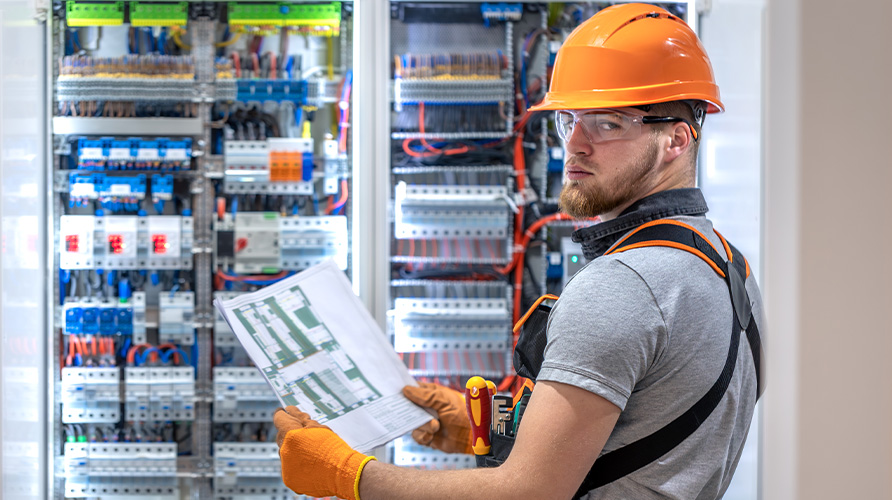
PROBLEM 1: Your Cabinet Is Overheating
Overheating is the single most common problem we hear about from plant managers, operators, and maintenance teams worldwide. It’s especially common in hot climates. It’s especially common in coastal areas. It’s especially common anywhere the ambient temperature is high. And it’s one of the most preventable problems if you understand what’s causing it.
Think about an athlete running hard on a hot day. They’re running in a race. They’re wearing heavy clothes. Nobody’s giving them water breaks. Pretty soon, they’re going to overheat and collapse. The exact same thing happens to your electrical cabinet. Your cabinet is working hard, continuously distributing power to all your equipment. Your cabinet is sitting in a hot room, or in direct sunlight, or in a hot climate. Air can’t flow freely around it because equipment is stored too close. Dust is blocking the cooling fans. Something inside is generating too much heat. So your cabinet keeps getting hotter and hotter and hotter. Eventually, components inside start to fail. Just like an overheating car engine, once you push equipment past its designed temperature limits, failure becomes inevitable.
In places like the Middle East, coastal areas, tropical regions, and dusty environments, overheating is the number one reason cabinets fail and need repair. We see this pattern again and again. Plant managers tell us they wish they’d caught the overheating problem earlier, before it caused damage.
How to know if overheating is your problem:
- Cabinet feels very hot to touch
- Cooling fans run constantly on high speed, never seeming to rest
- Equipment shuts down automatically as a safety measure
- Alarms sound or warning lights appear
- You notice a burning smell coming from the cabinet area
- This happens especially during hot seasons when outdoor temperatures are highest
Here's what to do, starting with the easiest fix first
The first thing to check is whether something is blocking the airflow around your cabinet. Your cabinet needs air to flow around it and through it. If air is blocked, your cabinet acts like a person wrapped in a blanket in the middle of summer. It can’t cool down. You need to look around your cabinet and see if there are boxes or equipment stored right next to it. If so, move them away. Give your cabinet breathing room. Check whether the cabinet door closes properly and completely. An open or partially open door forces your cooling system to work much harder. Close the door firmly.
Feel around the cooling fans. Can you feel air coming out? If not, they might be blocked by something. Is dust caked on the vents? Dust is like a filter that blocks airflow. This is probably the single biggest cause of overheating we see. Dust accumulation acts like a blanket, trapping heat inside the cabinet.
The second thing to do is clean the dust. In dusty environments, which describes much of Africa, the Middle East, and Asia, this is absolutely critical. Your cleaning process should involve:
- Using compressed air to blow dust away from vents and fans
- Using a soft brush to clean dust from surfaces
- Working from top to bottom so dust falls away rather than gets pushed deeper
- Never using water or liquid cleaners on electrical components
- In very dusty environments, repeating this cleaning every couple of weeks
The third thing is to honestly assess your environment. Is your cabinet sitting in direct sunlight? Is it in a room that’s very hot? Is it positioned near a heat source like a furnace or heating system? Sometimes the real problem is location. If your cabinet is in an inherently hot location, you need to do something about that location. You might consider:
- Adding shade (even a large umbrella or shade cloth helps significantly)
- Making sure there’s space for air to flow all around your cabinet, not just on one side
- In very hot climates, moving your cabinet to a cooler location
- Installing additional external cooling equipment specifically for the cabinet
The fourth thing is to verify that your cooling fans are actually working. When your cabinet gets warm, the fans should kick on. You should hear fan noise. You should feel air movement coming out of the fan outlets. If fans aren’t running when your cabinet is hot, they’re either broken or stuck. Have a technician check them. They probably need replacement soon.
The fifth thing is to check if something inside your cabinet is working too hard. Sometimes motors or transformers inside are running at overload. This generates excessive heat. Have a technician verify whether equipment is running at appropriate levels. If equipment is overloaded, you might need to spread the load to another circuit or upgrade equipment to handle the demand.
The sixth thing, for long-term solutions in hot climates, is to consider upgrades. If your facility is in a hot climate and overheating keeps happening even after you’ve done all these steps, you have several options to consider:
- Upgrading to a cabinet specifically designed for hot environments
- Installing additional cooling equipment if your standard cooling isn’t adequate
- Using reflective paint or white covers to keep your cabinet cooler
- Ensuring absolutely excellent ventilation around your cabinet
- Planning for regular maintenance more frequently than you would in a cooler climate
PROBLEM 2: Moisture, Water, and Humidity Damage
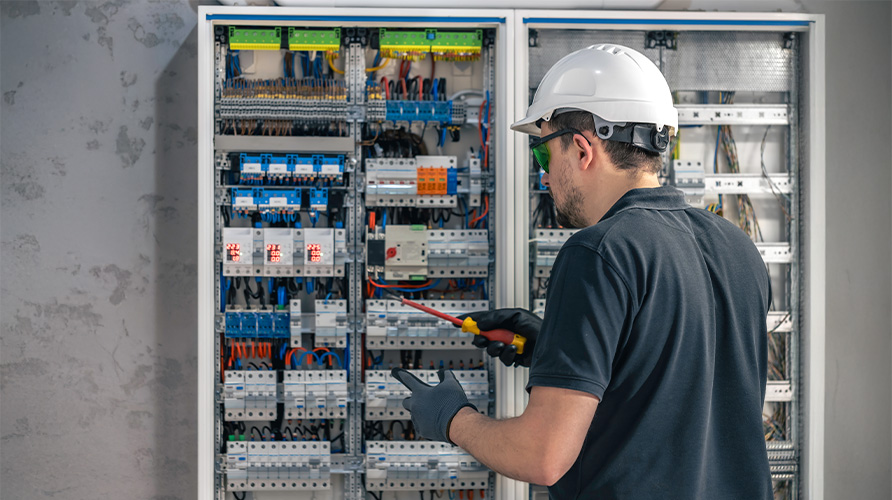
This is probably the second most common problem we see, and it’s devastatingly serious. Water and electricity are enemies. When they meet inside an electrical cabinet, bad things happen. Short circuits. Equipment failure. Dangerous electrical hazards. Complete system failure.
This problem is especially common if you’re operating near a coast where salt water spray is in the air constantly. It’s common in tropical areas with high humidity where moisture is always present. It’s common in humid seasons when the air is thick with water vapor. It’s common in areas near water sources like rivers or lakes. It’s common in facilities that use water for cleaning. It’s common in any area with heavy rain. We’ve actually seen moisture damage destroy equipment that was only a few months old. It’s one of the most preventable problems, but only if you catch it early and address it properly.
How to know if moisture is damaging your cabinet:
- You see water droplets inside the cabinet
- You notice the air inside feels humid and thick
- You notice rust or corrosion starting to form on metal parts
- Metal parts look discolored or stained instead of their normal appearance
- Your equipment seems to work worse on humid days
- You’re in a coastal area, tropical area, or very humid climate
The most important thing to understand about moisture problems is that prevention is absolutely everything. Once moisture gets inside your cabinet, it’s very hard to fix completely. It’s much better to keep moisture out in the first place. Think of it like trying to keep water out of your house. You want to seal all the entry points before the water gets in.
Step-by-step solutions:
Step 1: Stop moisture from entering
- Check the cabinet door seals and gaskets—these should be clean and intact
- Replace damaged door seals
- Make sure the cabinet door closes completely with no gaps
- Inspect all cable entry points and seal any gaps with waterproof sealant or rubber grommets
- Check bottom of cabinet for drain holes—these should be clear and working
- If drain holes are clogged, clean them out carefully
Step 2: Dry out existing moisture
- If you see moisture inside, you need to dry it out quickly
- Open the cabinet door in a dry location if safe to do so
- Use fans to increase air circulation around and inside the cabinet
- Leave cooling fans running to help dry the interior
- In very humid climates, you might run fans continuously
- Some facilities use dehumidifiers near cabinets in humid areas
Step 3: Clean corrosion carefully
- Light corrosion (light discoloration): Use a soft, dry cloth to gently clean
- Moderate corrosion (visible crusty deposits): Use specialist electronic cleaners and soft brushes
- Never use water or liquid-based cleaners on electrical components
- Heavy corrosion: Have a technician inspect—components might need replacement
Step 4: Prevent future moisture problems
- Install dehumidification equipment if your facility is in a humid climate
- Use moisture-absorbing cartridges or packets inside the cabinet (must be removed and replaced regularly)
- Ensure the cabinet location has good air circulation
- Keep the cabinet in a dry room if possible
- Check regularly that seals remain intact
Step 5: For coastal or salt-spray environments
- Coastal areas have salt in the air that causes aggressive corrosion
- Consider upgrading to stainless steel cabinets if you’re in a coastal location
- Apply protective coatings to prevent salt corrosion
- Increase maintenance frequency—check more often for corrosion
- Clean salt deposits off cabinet exterior regularly
PROBLEM 3: Your Equipment Shuts Down Unexpectedly
Your equipment suddenly stops. Lights go out. Alarms sound. Everything shuts down. Your first instinct might be panic. Your second instinct might be to immediately restart everything and get it running again. But stop. Before you do anything, understand that this shutdown is actually your safety system working. Your equipment detected something dangerous and stopped power to prevent damage or injury. This is actually a good thing. Your equipment is protecting itself and your facility.
But it also means something is definitely wrong. Something triggered this safety shutdown. Your job is to figure out what that something is, fix it, and then restart. This is a problem that requires diagnosis before action.
What might have caused the shutdown?
Several different issues could trigger an automatic shutdown. There could be a safety switch that activated because your cabinet overheated. There could be moisture that triggered a safety shutdown. There could have been a power surge. There could be loose connections causing electrical faults. There could be too much power being drawn on a particular circuit. There could be a component that failed. There could be several different causes. Your job is to investigate systematically.
Start by looking for any switches or circuit breakers that are in the “off” or “tripped” position. These are your protection system’s way of saying, “I stopped power because I detected something wrong.” Don’t just turn these back on and hope for the best. That’s like rebooting a computer that has a virus and expecting the virus to be gone. First, you need to understand what went wrong. Then fix it. Then reset the switch.
If the same circuit breaker keeps tripping repeatedly, there’s something fundamentally wrong that needs professional diagnosis. Don’t keep resetting it. That’s just hiding the problem. Get a technician to investigate what’s causing repeated trips.
Your investigation process should include these steps:
Check for loose connections
If you’re trained to work safely with electrical equipment, look for loose connections. Loose wires or connections often cause shutdowns. Check that all wires are firmly seated. Don’t touch anything that looks burned or damaged. Tighten any loose connections carefully using proper technique.
Check whether your cabinet is overheating
Overheating is a common reason for automatic shutdowns. Go back to the overheating section and check all those solutions.
Check power draw issues
Sometimes equipment shuts down because it’s trying to draw more power than your cabinet can provide. Maybe you’re running too many things at once. Maybe something is damaged and drawing extra power. Reduce the load if possible. Have a technician verify that your power system isn’t overloaded.
Look for visible damage
Any burn marks? Any scorch marks? Anything that looks damaged or burned? If yes, stop immediately. Don’t restart your equipment. Call a technician. The damaged component needs to be replaced before equipment runs again.
Check whether there’s moisture or water damage
Moisture can trigger safety shutdowns. Check your cabinet temperature. Look for moisture inside.
PROBLEM 4: Corrosion and Rust
Metal reacts with moisture and chemicals in the air over time. This natural reaction causes rust and corrosion. Corrosion weakens metal. It damages electrical connections. The more corrosion develops, the more problems occur. Corrosion is like rust spreading through your cabinet, getting worse over time if you don’t stop it.
This is especially common in coastal areas where salt spray is constantly in the air. It’s common in humid climates where moisture is always present. It’s common in tropical regions with high humidity and rain. It’s common in areas with chemical exposure from nearby industries or processes. It’s common in facilities that use water-based cleaning methods. It’s common anywhere environmental conditions are harsh.
How to tell if corrosion is a problem:
- You see brown, orange, or white crusty deposits on metal parts
- Metal parts look dull instead of their normal shiny appearance
- Metal parts look stained or discolored
- Rust is visible
- Performance is getting worse over time
The first step is to identify how serious the corrosion is. Understanding the severity determines how you handle it. The categories are:
- Light corrosion: Just discoloration with no visible crusty deposits. This is a warning sign but not yet critical.
- Moderate corrosion: Visible white, green, or orange deposits. This needs attention soon.
- Heavy corrosion: Thick crusty buildup, flaking, or pitting into the metal itself. This requires professional attention.
For light corrosion, the treatment is straightforward. Turn off equipment if safe to do so and use a soft, dry cloth to gently wipe affected areas. Never use water or liquid cleaners. Only dry methods. Use compressed air to blow away light deposits. After cleaning, connections should look clean and bright again.
For moderate corrosion, you’ll need specialist products. Use specialist electronic cleaning products made specifically for electrical equipment. Apply with a soft brush or cloth. Don’t spray. Follow product instructions carefully. Don’t over-wet components. Allow adequate drying time. After cleaning, consider applying a protective coating to prevent future corrosion.
For heavy corrosion, don’t try to clean this yourself. Heavy rust on critical connections can fail suddenly and cause major equipment problems. Call a technician to assess whether components need replacement.
PROBLEM 5: Loose Connections or Disconnected Wires
A loose electrical connection is dangerous in ways that go beyond just not working properly. A loose connection generates heat. Heat can cause equipment to fail. In worst-case scenarios, heat from loose connections can cause fires. This is extremely serious. Loose connections happen for several reasons:
- Equipment vibrates and shakes wires loose over months and years
- Connections weren’t tightened properly originally when the cabinet was installed
- Equipment ages and components shift from thermal stress
- Repeated heating and cooling causes movement
Step-by-step solutions:
Step 1: Visual inspection
- Turn off power if safe to do so
- Look for any obviously loose or disconnected wires
- Wires should be firmly seated in their connections
- Look for any wires that seem pulled out or hanging loose
Step 2: Check connections (if trained to do so)
- If you’re trained to work with electrical equipment, carefully check major connections
- Use proper tools—never use your hands on live electrical connections
- Verify each main connection is tight
- Check that all components are fully seated in their sockets or terminals
Step 3: Tighten loose connections carefully (if trained)
- Use the correct tools and proper technique
- Never force connections—they should tighten with moderate pressure
- Don’t over-tighten, which can damage the connection
- After tightening, verify connections are secure
Step 4: Look for vibration damage
- In facilities with vibrating equipment (compressors, motors), vibration can loosen connections
- Check if mounting bolts on the cabinet are tight
- Consider using vibration-damping mounts if vibration is frequent
- Regular inspection becomes even more important in high-vibration environments
Step 5: Long-term prevention
- Schedule regular connection checks
- Use cable management to keep wires organized and prevent stress on connections
- Ensure cables aren’t bent sharply or pinched
- Keep connections clean and dry
- Replace old, corroded connections before they fail
SECTION 4: Environment-Specific Problems

Your location makes an enormous difference in how your electrical cabinet performs and what problems you’re likely to face. The same cabinet behaves differently on a coast than in a desert. Different in a tropical jungle. Different in a dry, temperate area. Understanding your specific environment helps you prevent the problems most likely to happen where you are. It helps you schedule maintenance at the right frequency. It helps you make better decisions about equipment upgrades.
For Coastal and Salt-Spray Environments
If you’re operating near a coast, you’re dealing with salt spray in the air. This is one of the most aggressive environments for electrical cabinets. Salt in the air is aggressive in a way that regular humidity never is. Corrosion doesn’t just happen when things are wet. Salt spray means corrosion is happening continuously, even when the air seems relatively dry.
The challenge with coastal environments is that the corrosion accelerates much faster than anywhere else. Metal parts rust faster. Connections corrode and fail. Regular maintenance that would be adequate elsewhere simply isn’t adequate for coastal environments. You need more aggressive prevention. You need more frequent inspections. You need more frequent maintenance.
What to do:
- Use stainless steel or specially coated cabinets if possible
- Clean the exterior regularly to remove salt deposits
- Keep seals in excellent condition—sealed cabinets suffer less corrosion
- Apply protective coatings annually
- Inspect more frequently than facilities in other environments
- Plan for component replacement more often
- Consider materials specifically designed for marine environments
For Hot, Desert Environments
In hot, desert environments, your main challenge is that extreme heat damages components and causes overheating. Equipment rated to work at up to fifty degrees Celsius starts struggling at fifty-five to sixty degrees. Beyond that, rapid failure becomes likely. Anything above that temperature range causes rapid component failure.
In these environments, cooling becomes absolutely critical. It’s not optional. It’s not something you do if you feel like it. Cooling is essential for your cabinet to function properly. Equipment works harder in hot environments. Equipment fails faster. Dust accumulation blocks cooling, which makes the problem worse. Seasonal heat waves create peak stress periods when your cooling system is most stressed.
What to do:
- Ensure excellent drainage—check drain holes frequently
- Use dehumidification equipment if available
- Install moisture-absorbing cartridges (replace regularly)
- Keep seals in excellent condition
- Inspect for moisture and corrosion very frequently
- Ensure continuous airflow—don’t let cabinets sit in stagnant air
- Paint exterior surfaces with moisture-resistant coatings
- Consider upgrading to cabinets designed for tropical climates
For Humid and Tropical Environments
In humid and tropical environments, moisture causes corrosion and creates electrical hazards continuously. This is not a seasonal problem. This is an ongoing, year-round challenge. Condensation forms regularly. Humidity levels stay high all the time. Mold can actually grow inside cabinets in tropical environments. Your electrical cabinet is constantly fighting moisture.
The challenge with tropical environments is that moisture problems are ongoing, not seasonal. Corrosion develops quickly even on stainless steel. Electrical faults happen without warning. Drain holes clog regularly from tropical mold and growth. You need to be vigilant about moisture.
What to do:
- Clean cabinet interior frequently—weekly in very dusty environments
- Use compressed air for cleaning (never water)
- Keep ventilation openings clear
- Consider installing air filters on cabinet intakes
- Inspect more frequently than standard maintenance
- Use protective covers when equipment isn’t running
- Keep work area as clean as possible
For Facilities With Chemical Exposure
In dusty environments, dust accumulates inside and outside your cabinet, blocking cooling and damaging components. Dust acts like a blanket, trapping heat and reducing cooling effectiveness. Dust inside your cabinet can damage sensitive components. You need to clean more frequently than in other environments.
What to do:
- Use chemically-resistant coatings or stainless materials
- Keep seals in excellent condition
- Inspect more frequently for damage
- Clean exterior surfaces regularly to remove chemical residue
- Ensure ventilation prevents chemical vapors from concentrating
- Have a technician inspect for hidden chemical damage periodically
- Plan for more frequent component replacement
SECTION 6: Special Considerations for Different Industries
Different industries face different stresses on electrical cabinets. Understanding your industry’s specific challenges helps you prepare and prevent problems.
Desalination Plants
In desalination facilities, your unique challenges are severe. Your environment is one of the harshest for electrical equipment. Salt spray causes super-aggressive corrosion that’s worse than almost any other environment. You have high humidity and moisture exposure everywhere. Your equipment runs continuously without off-seasons. Water splashing and spray are constant throughout your operation.
Sugar Mills and Food Processing
In sugar mills and food processing facilities, your unique challenges revolve around seasons. You have seasonal peaks when crushing or harvest is happening. Then you have long shutdowns when seasons end. Heavy equipment creates vibration that loosens connections. Sticky residues from processing stick to everything. Moisture from steam and water-based cleaning is constant. Seasonal high loads stress your equipment.
Chemical Processing Plants
In chemical processing facilities, your unique challenges center on chemical exposure. Chemicals damage standard materials. Some chemicals damage seals and gaskets. Safety requirements are strict and detailed. Hazardous area certifications are essential. Risk is higher because chemical accidents are serious.
Power Generation Facilities
In power generation facilities, your unique challenges stem from continuous, high-load operation. Equipment runs continuously under heavy load. Downtime is extremely expensive—sometimes thousands of dollars per hour. Reliability requirements are very strict. Aging equipment sometimes creates special challenges. Redundancy is often required.
Prevention Is Better Than Crisis
The truth about electrical cabinet problems is simple: most of them never need to happen.
When you understand what to look for, listen for warning signs, and perform basic maintenance, you catch problems early. Early detection means:
- Lower repair costs
- Less equipment downtime
- Better safety
- Longer equipment lifespan
- More reliable operations
Your electrical cabinet is the foundation of your facility’s power system. Treating it well pays dividends in reliability, safety, and cost savings.
Start today. Pick one task from this guide. Check your cabinet this week. Listen for unusual sounds. Feel for unexpected heat. Watch for moisture or corrosion.
When you know what normal looks like, you’ll immediately notice when something isn’t right. And when you catch problems early, you can fix them before they become expensive failures.
Your facility depends on reliable power. Your electrical cabinet is the keeper of that reliability. Treat it well, and it will treat you well.
CONTACT US FOR PROFESSIONAL SUPPORT
Sometimes you need expert help. Whether you’re dealing with a complex problem, need professional maintenance, or want to upgrade your electrical cabinet system, qualified technicians are ready to help.
EuroIndustriel Global Support:
- Available worldwide to facilities in Africa, Middle East, Asia, Europe, and beyond
- Experienced with diverse industries and challenging environments
- Professional troubleshooting and emergency response
- Comprehensive maintenance and upgrade services
Ready to get your electrical cabinet running smoothly?
