


The Complete Industrial Electrical Cabinet
Selection & Installation Guidebook
An industrial processing facility recently experienced a critical production shutdown costing thousands of dollars per hour. The culprit? An improperly specified electrical cabinet that failed in the facility’s demanding environment. This scenario repeats itself across global industrial facilities more often than procurement teams realize.
Industrial electrical cabinets represent far more than simple protective enclosures. They serve as critical infrastructure protecting sensitive control systems, power distribution equipment, and automation components from harsh environmental conditions while ensuring operator safety and regulatory compliance. In challenging industrial sectors like desalination, chemical processing, power generation, and manufacturing, proper electrical enclosure selection directly impacts operational uptime, maintenance costs, and worker safety.
In this comprehensive electrical cabinet guidebook, you’ll discover:
- How to match electrical cabinet specifications to your specific industrial environment
- The critical IP ratings and material standards for demanding global operations
- Step-by-step electrical cabinet installation procedures that prevent costly failures
- International compliance requirements across major industrial markets
- Common electrical enclosure specification mistakes that lead to premature equipment failure
Whether you’re specifying industrial enclosures for a new facility or upgrading existing infrastructure, this guide provides the technical framework and practical insights needed to make informed decisions that protect both your equipment investments and operational continuity.
Chapter 1: Understanding Industrial Electrical Cabinet Fundamentals
What Defines an Industrial-Grade Electrical Cabinet?
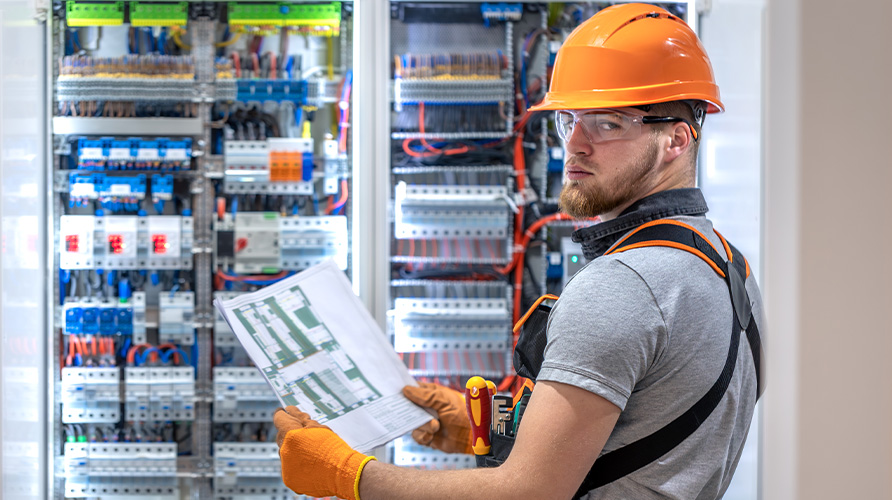
Industrial electrical cabinets differ fundamentally from commercial enclosures in construction robustness, environmental protection ratings, and compliance certifications. These purpose-built electrical enclosures house critical electrical and electronic equipment including motor control centers, variable frequency drives, PLCs, power distribution units, and instrumentation systems.
The three primary electrical cabinet types serve distinct industrial applications:
Control Cabinets house automation equipment, PLCs, HMIs, and process control instrumentation. These systems require precise climate control and superior electromagnetic interference (EMI) protection.
Power Distribution Cabinets contain switchgear, circuit breakers, transformers, and power distribution equipment handling high-voltage and high-current loads with appropriate safety interlocks.
Motor Control Centers (MCCs) integrate motor starters, drives, protection devices, and control circuits for industrial machinery with standardized mounting and wiring systems. For comprehensive guidance on selecting motors for these control centers, refer to our Industrial Motors Selection Guide.
Environmental Challenges Across Global Industrial Settings
Industrial facilities worldwide face demanding environmental conditions that directly impact electrical cabinet performance and longevity. Understanding your specific environmental challenges is critical for proper industrial enclosure specification.
Temperature extremes present a major challenge across diverse climates. Outdoor installations and non-climate-controlled facilities may experience ambient temperatures ranging from -40°C in arctic climates to over 85°C in desert or tropical regions. Indoor industrial environments typically range from 25°C to 40°C ambient, though equipment rooms near heat-generating processes may exceed these ranges. Electronic components typically rated for 40°C operation require thermal management solutions to prevent premature failure in higher temperature environments.
Humidity and moisture create corrosion risks particularly in coastal facilities, tropical climates, and high-humidity industrial processes. Desalination plants and marine facilities operate in salt-laden atmospheres that aggressively attack unprotected metal surfaces. Internal condensation forms when temperature differentials exist between cooler interior environments and hot external conditions. For facilities requiring specialized sealing solutions in corrosive environments, refer to our Industrial Sealing Solutions Guide for comprehensive gasket and mechanical seal specifications.
Dust and particulate matter infiltrate inadequately sealed enclosures, accumulating on electrical connections and causing tracking failures on insulation surfaces. Mining operations, cement plants, and facilities in arid regions experience especially high particulate loads.
Corrosive atmospheres in chemical processing facilities, refineries, and certain manufacturing environments expose cabinets to acidic or alkaline vapors requiring specialized protective coatings and construction materials.
Explosive atmospheres in petrochemical facilities and other hazardous locations necessitate ATEX, IECEx, or similar certified explosion-proof enclosures with appropriate zone classifications.
Chapter 2: Critical Selection Parameters
IP Rating Decoded: Matching Protection to Your Environment
The Ingress Protection (IP) rating system provides standardized classification for electrical enclosure protection against solid objects and liquids. Understanding IP ratings prevents both over-specification (unnecessarily increasing costs) and under-specification (risking equipment failure).
The IP rating consists of two digits defined by IEC 60529 standard: IPXY where X indicates solid particle protection (0-6) and Y indicates liquid protection (0-9).
For indoor climate-controlled environments: IP54 enclosures provide adequate protection against dust accumulation and incidental water splashes common in clean industrial facilities.
For standard indoor industrial environments: IP55 electrical cabinets offer enhanced protection against dust ingress and low-pressure water jets, suitable for manufacturing facilities with routine washdown procedures.
For outdoor or harsh indoor environments: IP65 industrial enclosures deliver complete dust-tight protection and protection against powerful water jets, essential for outdoor installations or facilities with high-pressure cleaning requirements.
For extreme marine or offshore applications: IP66 or IP67 rated cabinets provide enhanced water ingress protection critical for desalination plants, marine terminals, and offshore platforms.
Material Selection for Electrical Cabinets: Balancing Performance and Economics
Global Best Practice: Specify minimum IP55 for indoor electrical cabinets and IP65 for outdoor electrical enclosures. The incremental cost of higher IP ratings typically proves far less expensive than premature equipment replacement.
Electrical cabinet materials dramatically impact longevity, maintenance requirements, and total cost of ownership in industrial environments. Organizations procuring electrical cabinets globally should consult our Global Procurement Optimization Guide for supplier qualification and cost optimization strategies.
Mild Steel with Powder Coating represents the most economical option suitable for indoor, climate-controlled environments. Modern powder coating systems provide good corrosion resistance, but remain vulnerable to coating damage and subsequent corrosion in harsh environments. Typical service life: 7-10 years in controlled conditions.
Stainless Steel Electrical Cabinets (304 or 316 Grade) deliver superior corrosion resistance for demanding applications. Grade 304 suits most industrial indoor environments while Grade 316 provides enhanced protection for marine, coastal, or chemically aggressive atmospheres. Despite higher initial costs (200-300% premium over mild steel), stainless steel enclosures eliminate painting cycles and extend service life to 20+ years.
Aluminum Enclosures offer excellent corrosion resistance with lower weight than steel, beneficial for roof-mounted or elevated installations. Aluminum cabinets require specialized mounting considerations due to thermal expansion characteristics and different grounding requirements. Best suited for outdoor telecom and instrumentation applications.
Fiberglass Reinforced Plastic (FRP) Cabinets provide non-conductive, corrosion-proof protection ideal for highly corrosive chemical processing environments. FRP cabinets resist virtually all industrial chemicals while maintaining electrical isolation. Consider for chlorine handling, acid storage areas, and offshore applications despite higher material costs.
Polycarbonate and ABS Plastic Enclosures serve specialized applications requiring transparency for visual inspection or complete electrical isolation. Terminal boxes and small instrumentation enclosures commonly utilize these materials.
Thermal Management for Electrical Cabinets: Preventing Heat-Related Failures
Electrical and electronic equipment generates significant heat during operation. Without adequate electrical cabinet thermal management, internal temperatures quickly exceed component ratings, accelerating degradation and causing premature failures. Facilities with high-temperature motor applications should also reference our Industrial Motors Selection Guide to ensure compatibility between cabinet thermal design and motor heat dissipation requirements.
Passive cooling through natural convection suffices for low heat-load applications (less than 100W) when properly sized. Cabinet height, vent placement, and internal layout significantly affect natural airflow effectiveness.
Forced ventilation using filtered fans provides cost-effective cooling for moderate heat loads (100-500W). Filter maintenance becomes critical as clogged filters reduce airflow and increase internal temperatures. Install filters on both intake and exhaust to maintain positive pressure preventing dust ingress.
Air conditioning systems for electrical cabinets become necessary for high heat loads (500W+) or when maintaining tight temperature control for sensitive electronics. Vortex coolers offer economical solutions for smaller enclosures while traditional air conditioners serve larger installations.
Heat exchangers transfer internal heat to external environments without introducing outside air, ideal for dusty or corrosive atmospheres. Higher initial costs are offset by eliminating filter maintenance and preventing atmospheric contamination of sensitive electronics.
Electrical cabinet thermal design calculations must account for:
- Internal heat generation from all installed equipment
- Solar radiation for outdoor installations (up to 1000W/m² in tropical/desert climates)
- Maximum ambient temperature for installation location (varies globally from -40°C to +50°C)
- Required internal temperature (typically 35-40°C maximum for most electronics)
- Altitude effects on convection and air conditioning performance
Chapter 3: Step-by-Step Electrical Cabinet Selection Process
Step 1: Environment Assessment and Requirements Definition
Begin your electrical cabinet selection process with comprehensive environmental analysis and operational requirements documentation.
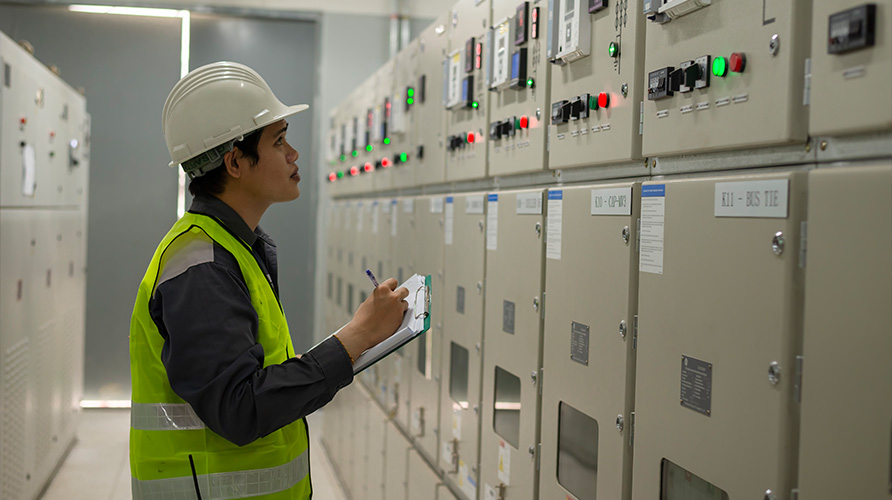
Conduct site surveys capturing ambient temperature ranges, humidity levels, dust concentrations, chemical exposure risks, and explosion hazard classifications. Document existing electrical enclosure performance issues to avoid repeating mistakes.
Define equipment specifications including voltage requirements, current ratings, component heat generation, required internal space, mounting requirements, and access needs for operation and maintenance. For motor control center applications, review our comprehensive Variable Frequency Drive (VFD) Guide to ensure proper electrical cabinet sizing for drive installation and cooling requirements.
Identify compliance requirements covering local electrical codes, international standards (IEC, UL, CE, NEMA), and industry-specific regulations (ATEX for explosive atmospheres in Europe, NEC Class/Division for North America).
Establish operational parameters including maintenance accessibility requirements, expansion provisions for future equipment, cable entry quantities and sizes, and required safety interlocking systems.
Step 2: Electrical Cabinet Size Calculation and Internal Layout Planning
Proper electrical cabinet sizing prevents overcrowding that restricts airflow, complicates maintenance, and violates electrical clearance requirements.
Calculate required internal volume following IEC 61439 standards allowing 30-40% expansion space beyond current equipment requirements. Minimum electrical clearances must comply with IEC 61439 or NEMA standards for rated voltages.
Plan internal layout positioning high-heat components for optimal cooling, grouping related equipment, providing clear cable routing paths, and maintaining accessibility for service and troubleshooting.
Consider cable management allocating space for wire ways, cable trays, terminal blocks, and adequate bend radius for power and control cables. Poor cable management complicates troubleshooting and increases installation time. Proper cable entry sealing requires high-quality glands and sealing systems. Explore our Cable Gland and Entry Systems for IP-rated solutions suitable for industrial applications.
Specify mounting systems using standard DIN rail for modular components, mounting plates for larger equipment, and proper strain relief for all cable entries. Standardized mounting simplifies future modifications and equipment replacement.
Step 3: Electrical Cabinet Construction Specifications and Options
Detail critical electrical cabinet construction parameters ensuring the cabinet meets performance requirements throughout its service life.
Specify body construction including sheet metal thickness (minimum 2mm for industrial applications), reinforcement requirements, door construction (single vs. double), hinge specifications (adjustable, stainless steel for harsh environments), and sealing systems (gaskets appropriate for IP rating and chemical resistance).
Define surface preparation and coating requirements including pre-treatment processes (iron phosphate minimum, zinc phosphate preferred for corrosive environments), coating type and thickness (powder coating minimum 80 microns for outdoor applications), color specifications (light colors reduce solar heat gain in hot climates), and required coating certifications.
Detail hardware specifications covering locking systems (consider facility-wide keyed-alike standardization), handles and latches (stainless steel for corrosive environments), hinges (continuous for large doors, heavy-duty for frequent access), cable glands and entry systems (matching IP rating, appropriate for cable sizes), earthing provisions (dedicated earth bar, minimum 10mm² grounding), and nameplate requirements (material, mounting, required information).
Specify internal fittings including mounting plates or rails, lighting provisions, power sockets for maintenance tools, temperature monitoring systems, and moisture detection for critical applications.
Step 4: Electrical Cabinet Thermal Management System Design
Select and specify cooling systems for electrical cabinets matching environmental conditions and internal heat loads.
For passive natural ventilation: Position intake vents low on cabinet sides with exhaust vents high on opposite faces. Size vent areas at minimum 150-200% of required free flow area accounting for louver efficiency. Install filtered vents to maintain IP ratings while allowing airflow.
For forced ventilation systems: Calculate required airflow using thermal calculations (CFM = 3.1 x watts / allowable temperature rise in °F). Select fans providing 150% of calculated flow to account for filter resistance and future heat load increases. Specify temperature controllers activating fans at appropriate set points.
For air conditioning systems: Calculate required cooling capacity accounting for internal heat generation, solar loading, and infiltration heat gains. Oversize air conditioners by 25% to ensure adequate capacity in extreme conditions and extend compressor life. Specify models rated for continuous industrial operation with appropriate ambient temperature ratings for your climate.
Install redundancy for critical applications where thermal failure causes production loss or safety hazards. Parallel cooling systems with automatic switchover prevent downtime from cooling system failures.
Step 5: Safety Features and Compliance Documentation
Integrate essential electrical cabinet safety features and compile required compliance documentation.
Specify door interlocks disconnecting high voltage when doors open, preventing accidental contact with live parts. Safety interlocks must meet IEC 60947-5-1 requirements for positively-opening contacts.
Implement ground fault protection appropriate for system voltage and grounding configuration. RCDs or ground fault relays protect against electrical shock hazards and equipment damage.
Provide arc flash protection including arc flash labels with incident energy calculations, appropriate personal protective equipment specifications, and remote operating devices for high-risk operations.
Install warning labels identifying voltage levels, arc flash boundaries, protective equipment requirements, and authorized access restrictions. Labels must remain legible throughout cabinet service life.
Compile technical documentation covering design calculations, component specifications, wiring diagrams, compliance certifications, maintenance procedures, and spare parts lists. Comprehensive documentation accelerates troubleshooting and ensures proper maintenance.
Chapter 4: Electrical Cabinet Installation Best Practices
Site Preparation and Foundation Requirements for Electrical Cabinets
Proper site preparation prevents structural issues, water intrusion, and accessibility problems throughout electrical cabinet operational life.
Select installation locations providing adequate clearance for door opening, maintenance access, and heat dissipation. Maintain minimum 1 meter clearance on door sides and 0.5 meters on non-access sides per IEC 61439 recommendations.
Prepare foundations ensuring level surfaces preventing cabinet twist and door misalignment. Floor-mounted cabinets require concrete pads elevated above potential water accumulation. Outdoor installations require concrete pads extending beyond cabinet footprints with proper drainage.
Verify structural support for wall-mounted and ceiling-suspended installations. Calculate total weight including equipment, cables, and service personnel for maintenance access. Structural supports must provide 5:1 safety factor minimum.
Plan cable routing providing protected pathways from power sources and field devices to cabinet entries. Underground conduit systems require properly-sized pull boxes and drainage provisions preventing water accumulation.
Electrical Cabinet Installation Procedures and Quality Verification
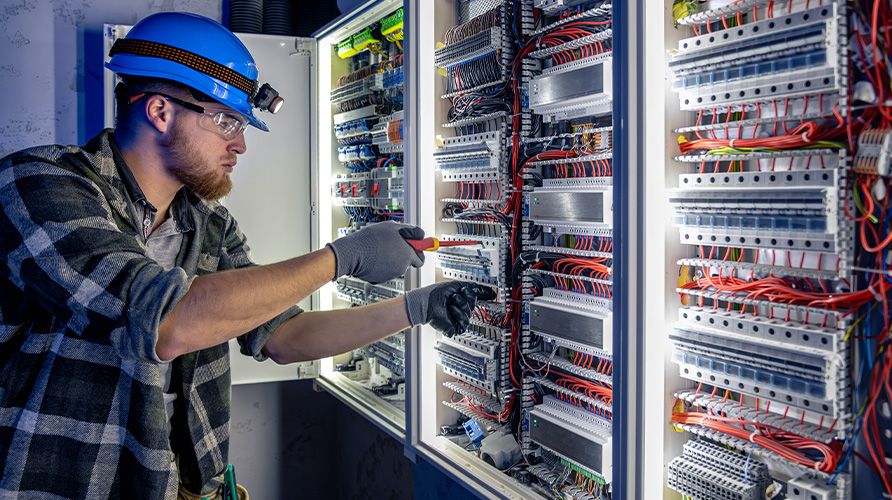
Systematic electrical cabinet installation procedures prevent common errors causing performance issues and safety hazards.
Verify cabinet condition upon delivery inspecting for shipping damage, coating defects, or component discrepancies before installation proceeds.
Install mounting systems ensuring plumb and level orientation within ±3mm tolerances. Uneven mounting causes door misalignment, gasket sealing failures, and internal component stress.
Make cable entries using appropriate glands maintaining specified IP ratings. Entry points require deburring preventing cable insulation damage. Seal unused cable entries maintaining enclosure protection ratings.
Implement proper grounding connecting cabinet bodies to facility grounding systems using dedicated conductors. Minimum 10mm² copper conductors for grounding connections. Paint removal at grounding points ensures reliable electrical contact.
Verify door operation confirming smooth opening, proper gasket compression, and positive latching before electrical connections proceed.
Test safety interlocks confirming disconnection operates reliably before energization. Safety systems must fail safe preventing hazardous conditions.
Electrical Cabinet Commissioning and Performance Verification
Comprehensive electrical cabinet commissioning confirms proper installation and prevents operational issues.
Conduct thermal performance testing by energizing equipment to normal operating conditions and monitoring internal temperatures. Verify thermal management systems activate at proper set points and maintain temperatures within design parameters.
Perform insulation resistance testing measuring circuit-to-ground and circuit-to-circuit insulation. Minimum 1 megohm readings at rated voltage indicate adequate insulation integrity.
Verify protective device coordination through testing and calculation confirming upstream devices allow downstream devices to clear faults without nuisance tripping.
Document as-built conditions recording any field modifications, final component locations, wiring terminations, and settings. Updated documentation supports future troubleshooting and modifications.
Train maintenance personnel on proper access procedures, routine maintenance requirements, safety precautions, and troubleshooting methods specific to installed systems.
Chapter 5: Common Electrical Cabinet Pitfalls and Solutions
Undersizing and Inadequate Expansion
Problem: Cabinets sized for current needs only force costly premature replacement. Overcrowding restricts airflow, complicates maintenance, and violates clearance requirements.
Solution: Design with 30-40% unused space. Industrial downtime costs $39,000 to over $2 million per hour—proper initial sizing prevents expensive replacement during critical operations.
Inadequate Thermal Management
Problem: Calculations based on nameplate ratings rather than actual heat dissipation lead to undersized cooling. High-temperature environments worsen the issue as components draw higher currents.
Solution: Use manufacturer-verified heat values. Account for derating, solar loading, and worst-case ambient conditions. Oversize cooling by 25% and install temperature monitoring with alarms 10°C below critical limits.
Poor Cable Management and Sealing
Problem: Inadequate cable entry sealing compromises IP ratings, allowing contaminants inside. Poor routing restricts maintenance access and airflow.
Solution: Use cable entry systems matching required IP ratings. Seal unused entries. Group power and control cables separately. Label all cables permanently at both entry and termination points.
Insufficient Maintenance Access
Problem: Cabinet placement optimizing floor space restricts maintenance access and prevents safe work practices.
Solution: Maintain adequate clearances per electrical codes. Install internal lighting. Provide space for PPE use during arc flash boundary work.
Neglecting Environmental Factors
Problem: Standard specifications fail in harsh environments. Coastal installations suffer premature corrosion; extreme temperatures require enhanced thermal management.
Solution: Conduct thorough environmental assessments. Apply appropriate upgrades for site conditions. Stainless steel enclosures cost 200-300% more initially but extend service life from 7-10 years to 20+ years. For marine applications, see our Corrosion-Resistant Equipment Solutions.
Chapter 6 Electrical Cabinet Maintenance and Lifecycle Management
Preventive Maintenance Programs for Electrical Cabinets
Systematic electrical cabinet maintenance extends equipment life and prevents unexpected failures disrupting operations. Establish comprehensive maintenance programs using our Industrial Equipment Maintenance Best Practices Guide covering preventive and predictive maintenance strategies across all equipment types.
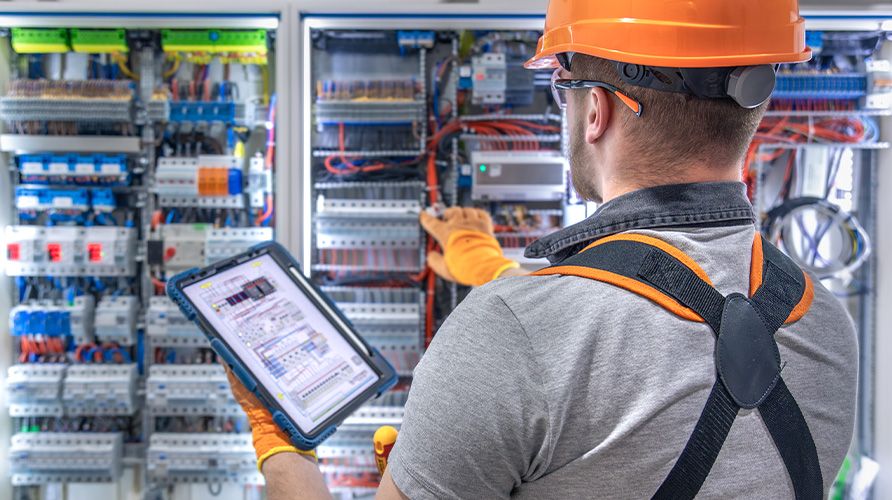
Quarterly inspections should verify door seals maintain compression, cooling systems operate properly, internal cleanliness remains acceptable, cable terminations show no overheating signs, and safety labels remain legible.
Semi-annual electrical cabinet maintenance includes cleaning internal surfaces and components, testing safety interlocks and ground fault protection, verifying proper operation of all protective devices, and documenting temperature profiles under normal loading.
Annual comprehensive service requires detailed inspection of all components, insulation resistance testing, thermographic surveys identifying developing hot spots, protective device calibration verification, and updating documentation with any modifications.
Filter maintenance for ventilated electrical enclosures requires monthly inspection and replacement when differential pressure exceeds limits or visual inspection shows significant contamination. Clogged filters dramatically reduce cooling effectiveness.
Performance Monitoring and Predictive Maintenance for Electrical Cabinets
Modern monitoring technologies identify developing electrical cabinet issues before failures occur.
Vibration monitoring on cooling fans and air conditioning compressors detects bearing wear before catastrophic failure.
Thermographic surveys during operation reveal hot spots indicating loose connections, overloaded circuits, or failing components before visible damage occurs.
Temperature monitoring systems with data logging track electrical cabinet thermal performance over time. Gradual temperature increases indicate developing problems such as cooling system degradation, increasing internal heat loads from aging components, or deteriorating ventilation.
Power quality monitoring identifies issues such as voltage imbalances causing motor overheating, harmonics affecting sensitive electronics, and ground faults indicating insulation deterioration.
End-of-Life Planning and Electrical Cabinet Replacement Criteria
Establish clear criteria triggering electrical cabinet replacement rather than continued repair investments.
Replace electrical cabinets when:
- Structural corrosion compromises mechanical or electrical integrity
- Obsolete equipment prevents obtaining replacement parts
- Capacity expansion exceeds available space
- Current protection ratings prove inadequate for application changes
- Repair costs approach 40-50% of replacement costs
- Safety compliance requires upgrades not economically retrofittable
Replacement planning should consider technological improvements such as modern thermal management systems, improved sealing technologies, and modular designs simplifying future modifications.
Disposal requirements vary by jurisdiction. Electrical equipment may contain hazardous materials requiring proper environmental handling. Coordinate with certified e-waste processors ensuring compliant disposal.
Transforming Electrical Cabinet Selection from Cost Center to Strategic Advantage
Electrical cabinets represent far more than commodity purchases. Properly specified, installed, and maintained industrial enclosures protect critical infrastructure, ensure operational continuity, and provide platforms for technological advancement as industrial systems evolve.
The investment required for superior electrical cabinet specifications—whether through higher IP ratings, premium materials, or enhanced thermal management—consistently proves economical compared to premature replacement costs, production downtime, and maintenance burdens from inadequate initial specifications.
Industrial operators worldwide face demanding environmental conditions requiring electrical enclosure specifications matching local challenges. The methodologies outlined in this electrical cabinet guidebook provide frameworks for matching cabinet capabilities to application requirements while maintaining cost-effectiveness through informed decision-making.
Success requires treating electrical cabinet selection as a strategic procurement activity rather than a transactional purchase. This demands systematic evaluation of environmental conditions, comprehensive specification development, rigorous supplier qualification, and ongoing performance monitoring throughout the equipment lifecycle.
Organizations implementing the comprehensive selection and management approaches detailed in this guide achieve measurable improvements including extended equipment lifecycles (typically 20+ years for properly specified stainless steel enclosures versus 7-10 years for inadequate specifications), reduced maintenance requirements, minimized production disruptions from equipment failures, and enhanced safety compliance.
Start your electrical cabinet optimization today using the implementation framework and evaluation tools provided in this guide. With systematic execution and ongoing monitoring, your organization can achieve procurement excellence that delivers both cost savings and operational reliability.
Ready to optimize your electrical cabinet procurement globally? Contact EuroIndustriel’s procurement specialists to discuss how we can help your organization implement these strategies across your facilities worldwide. Our proven global sourcing capabilities, comprehensive quality assurance programs, and technical expertise have helped organizations across desalination, chemical processing, power generation, and manufacturing sectors achieve superior electrical cabinet specifications while reducing costs and ensuring compliance with international standards.
