


Industrial Pump Maintenance
Simple Steps to Extend Equipment Life
The Hidden Cost of Poor Maintenance
One of our clients, a plant manager in Abu Dhabi, called us at 2 AM. Their main circulation pump had seized during peak production. The repair bill? $25,000. The lost production? Another $40,000. The worst part? His maintenance team had noticed unusual shaking three weeks earlier but figured they’d “deal with it during the next shutdown.”
Here’s the thing—about 70% of pump breakdowns are completely preventable. Not with expensive monitoring systems or expert-level knowledge, but with basic maintenance practices that literally take minutes per day.
Whether you’re running a sugar mill during crushing season, keeping a desalination plant operational in the scorching Middle East heat, or managing a chemical facility where downtime means millions in losses, your pump reliability directly impacts everything. Your production targets. Your maintenance budget. Your ability to sleep through the night without emergency calls.
The good news? You don’t need a massive overhaul to dramatically improve pump life. You just need a systematic approach that your team will actually follow (that last part is crucial).
In this guide, we’re going to show you exactly how to:
- Extend pump life by 3-5 years through simple daily practices.
- Reduce those dreaded unplanned shutdowns by up to 70%.
- Cut maintenance costs by 25-40% (yes, really).
- Catch problems early, when they’re cheap to fix.
- Build a preventive maintenance system your team won’t ignore
This approach works across all pump types—centrifugal, diaphragm, lobe, submersible—and requires only basic tools you probably already have gathering dust in your maintenance shop.
Let’s save you some money and prevent some headaches.
Understanding Pump Life: What Really Matters

Before we dive into checklists and schedules, let’s talk about what actually determines whether your pump lasts 5 years or 20 years. Because if you don’t understand this, you’ll waste time on the wrong things.
Operating Conditions (40% of pump life)
This is the biggest factor. Running pumps beyond their design limits—excessive flow, too much pressure, or handling liquids they weren’t designed for—kills them fast. We’ve seen pumps designed for clean water trying to handle thick mixtures. They don’t last long.
Always operate within manufacturer specifications. We know sometimes production pressures push you to run things harder. Resist that temptation. The short-term gains aren’t worth the long-term pain.
Maintenance Quality (35% of pump life)
Here’s where you have the most control. Consistent, proper maintenance prevents 70% of breakdowns. Notice we said consistent. Skipping inspections for “just a few weeks” because you’re busy? That’s when problems sneak up on you.
The plants we’ve seen with the best pump reliability don’t necessarily have the most sophisticated programs. They have the most consistent ones. Simple checklist, followed religiously. That’s the secret.
Installation Quality (25% of pump life)
Poor initial setup—wrong alignment, improper piping, weak foundation—creates problems that maintenance can only partially fix. It’s like building a house on a bad foundation. You can paint and repair all you want, but that fundamental issue remains.
If you’re installing new pumps, invest the time to get it right from the start. It’s cheaper than dealing with the consequences for the next decade.
The Reality Check
A well-maintained pump can run 15-20 years. A neglected one might break down in 3-5 years. Do the math: that’s spending $50,000 over two decades versus $250,000 replacing pumps four times. Plus all the production losses and emergency repairs.
Which sounds better to you?
Daily Maintenance: The 5-Minute Protection Plan
Time Required: 5 minutes per pump
Who: Any trained operator
Daily checks catch about 60% of developing problems before they become breakdowns. These quick inspections require no tools—just your eyes, ears, and hands. (And honestly, your nose sometimes helps too. Burning parts have a distinctive smell.)
Visual Inspection Checklist
Leaks – Even small drips matter. That tiny drip today becomes a spray next month. Check seals, connections, joints. We once saw a plant lose thousands of dollars in product because someone dismissed a small leak as “not worth worrying about.”
Shaking – Place your hand gently on the pump body. You’ll quickly learn what normal feels like. Too much shaking? That pump is trying to tell you something. Listen.
Unusual sounds – Grinding, squealing, knocking—these aren’t normal. Your pumps should have a steady hum. Anything else means immediate attention. Trust your ears. We’ve diagnosed more problems by listening than by looking at fancy charts.
Heat – Touch the bearing housing. It should be warm but not too hot to hold your hand on comfortably. If you can’t keep your hand there for more than a second or two, you’ve got a problem developing.
Oil levels – Check the sight glasses are within proper range. Low oil doesn’t just cause problems—it causes expensive problems.
Quick Performance Check
Monitor:
- Discharge pressure reading (compare to normal operating pressure)
- Flow rate if you have a meter (sudden changes indicate problems)
- Motor power draw (if displayed on your control panel)
The key here is knowing what normal looks like for each pump. Write down typical values for the first few weeks. Then you’ll immediately notice when something changes.
Warning Signs Requiring Immediate Action
⚠️ Any new leaks
⚠️ Unusual noise or shaking
⚠️ Bearing too hot to touch comfortably (above 80°C/175°F)
⚠️ Pressure drop of 15% or more
⚠️ Excessive motor power draw (10%+ above normal)
When you see these, don’t wait. We’ve seen too many “I’ll check it next week” situations turn into emergency shutdowns.
Best Practice: Create a simple one-page checklist for each pump. Have operators initial it daily. This takes 30 seconds and provides documentation showing you’re maintaining equipment properly. Plus, when management asks “are we doing our maintenance?” you can show them proof.
Weekly Maintenance: The 15-Minute Deep Check
Time Required: 15 minutes per pump
Who: Maintenance technician or experienced operator
Weekly inspections catch problems your daily checks might miss. You’ll need basic tools: temperature gun, shake detector (or even a smartphone app works), and a flashlight.
Detailed Component Inspection
1. Bearing Check
Measure bearing housing temperature with your temperature gun:
- Normal: 40-60°C (105-140°F)
- Concerning: 60-80°C (140-175°F) – monitor closely
- Critical: Above 80°C (175°F) – schedule immediate service
Here’s an old trick: Press a screwdriver against the bearing housing and put your ear to the handle. Sounds weird, but it amplifies bearing noise. You’ll hear grinding or rumbling that indicates wear. (Just make sure nobody walks by and thinks you’ve lost your mind.)
2. Seal System Check
- Make sure the seal cooling system is flowing properly (if equipped)
- Check seal drain for too much leakage (more than occasional drops means trouble)
- Verify cooling water flow (where applicable)
- Look for buildup or deposits around seal area—this is your early warning system
3. Coupling Inspection
Couplings are often overlooked until they break. Don’t make that mistake.
- Check coupling guard is secure (safety first)
- Look for unusual wear patterns (indicates wrong alignment)
- Verify coupling bolts are tight
- Inspect for cracks or damage
4. Foundation and Mounting
We’ve seen pumps literally walk off their foundations because nobody checked mounting bolts. Check that:
- Mounting bolts remain tight
- No cracks in base or foundation
- No excessive movement when pump runs (a little is normal, a lot isn’t)
5. Piping and Connections
- Make sure pipe supports are secure
- Check for excessive shaking transmitted through piping
- Verify valves operate smoothly (stiff valves lead to problems)
- Look for rust or wear at connections
Performance Tracking
Here’s something most people skip but shouldn’t: keep a simple log of weekly readings:
- Discharge pressure
- Suction pressure (if you have a gauge)
- Motor power draw
- Bearing temperatures
- Shake levels (if you have measurement tools)
Why bother? Because trends tell you more than single readings. A bearing gradually warming up over 4-6 weeks signals developing problems even if the current temperature seems acceptable. You catch issues when they’re still cheap to fix.
We keep ours in a simple spreadsheet. Nothing fancy. But it’s saved us thousands in avoided breakdowns.
Monthly Maintenance: Comprehensive Care
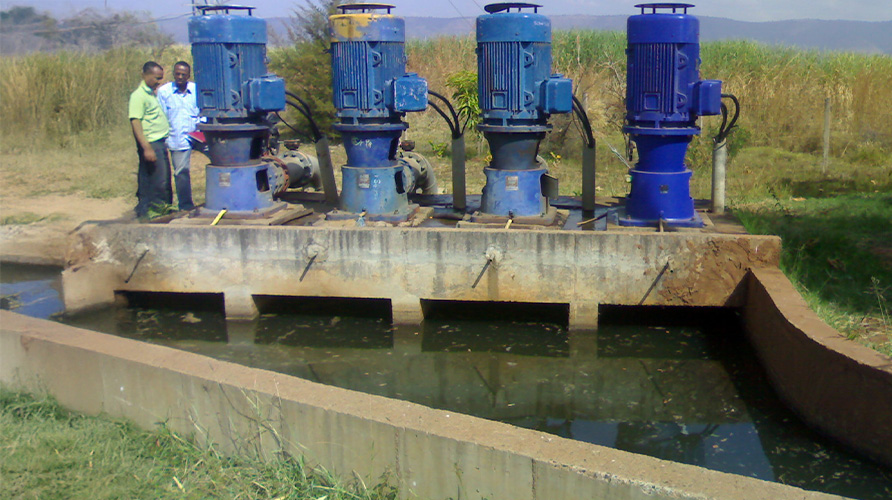
Time Required: 45-60 minutes per pump
Who: Qualified maintenance technician
Monthly maintenance prevents the majority of pump breakdowns. Schedule these during planned shutdowns or low-production periods when possible. Fighting for maintenance time during peak production is a losing battle.
Lubrication Service
For grease-lubricated bearings:
Add the recommended amount of the correct grease type. And we mean the correct type—check your pump documentation. Don’t just grab whatever grease is handy.
Don’t add too much grease. Yes, that’s a thing. Too much grease causes overheating and seal damage. Follow the manufacturer’s guidelines, typically every 2,000-4,000 operating hours.
Remove old grease through the drain plug if your pump is equipped with one. Out with the old, in with the new.
For oil-lubricated bearings:
Check oil level and condition. Look for water contamination (gives the oil a milky appearance) or metal particles (means something is wearing).
Change oil every 6-12 months minimum, or every 4,000 hours. Use the manufacturer-specified oil grade.
Common Mistake Alert: Using the wrong grease type. We’ve seen this kill bearings in weeks. Mixing incompatible greases causes chemical reactions that destroy lubrication properties. Always use the exact specification from the pump manual. Not “something similar.” The exact one.
Alignment Verification
Let us tell you something that might surprise you: wrong pump-motor alignment causes about 50% of bearing and seal problems. Half. That’s huge.
Check alignment:
- Every 3 months for new pumps (first year)
- Every 6 months for established pumps
- After any maintenance involving coupling removal
- If shake levels increase
Don’t have fancy laser alignment tools? No problem. Here’s a simple check: Measure gaps around the coupling with measuring strips at four points (top, bottom, sides). Variation greater than 0.5mm (0.020″) indicates alignment needing correction.
Seal and Gasket Inspection
- Tighten packing gland (if you have packing-style seals) to maintain slight leakage. Yes, a little leakage is actually normal—about 1-2 drops per minute. It provides cooling.
- Check seal flush rate and pressure
- Inspect seal faces if visible (scored or damaged seals need replacement)
- Verify gaskets show no signs of leakage or deterioration
Strainer and Filter Service
- Clean suction strainers to prevent debris from reaching the pump
- Inspect strainer basket for damage
- Check pressure difference across filters (high reading means they need cleaning)
We’ve seen pumps starved for flow because nobody cleaned the strainer for months. Don’t be that plant.
Motor Inspection
- Remove dust and debris from motor cooling fins (especially important in dusty environments)
- Check motor mounting bolts are tight
- Verify proper operation of cooling fans
- Inspect electrical connections are secure (if you’re qualified—don’t mess with electrical if you’re not)
Quarterly & Annual Maintenance: Major Service
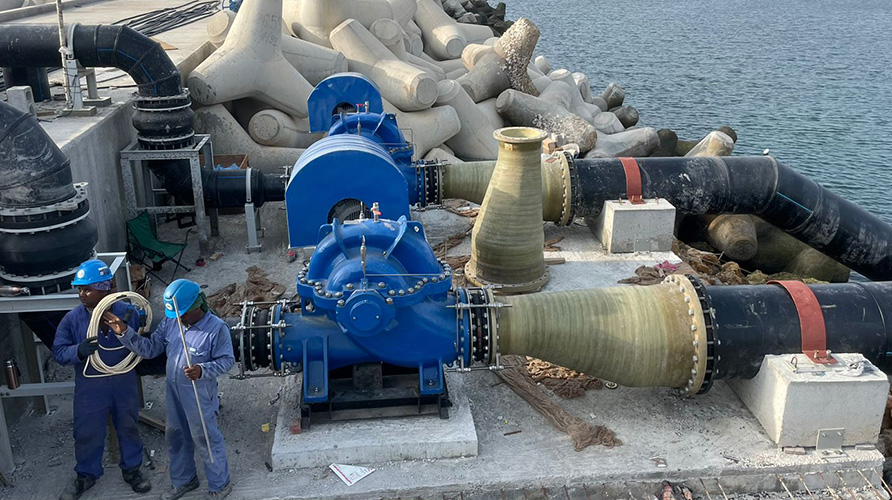
Time Required: 4-8 hours per pump (quarterly), 2-3 days (annual overhaul)
Who: Experienced maintenance team or service contractor
Quarterly Tasks (Every 3 Months)
Detailed shake measurement using proper equipment. Compare readings to baseline established during setup.
Different frequencies indicate different problems:
- 1x running speed: unbalance
- 2x running speed: wrong alignment
- Higher frequencies: bearing wear
Performance Testing
Measure actual flow versus pressure and compare to the pump curve. Calculate efficiency if you can (requires flow, pressure, and power measurements).
Significant deviation—10% or more lower performance—indicates wear or internal damage. Time to plan an overhaul.
Coupling Service
Take apart and inspect coupling components. Replace worn elements (rubber parts, springs, etc.). Verify alignment before putting it back together.
Annual Overhaul
Complete pump inspection including:
- Internal examination (impeller, casing, wear rings)
- Replace wear components (seals, bearings, wear rings, gaskets)
- Measure clearances and compare to specifications
- Clean and inspect all components for cracks or damage
- Pressure test after putting it back together (1.5x operating pressure for safety)
Cost-Benefit Reality: Annual overhaul costs $1,000-$5,000 depending on pump size. Running to breakdown costs $15,000-$40,000 in emergency repairs plus production losses.
The math is simple. Preventive service saves money. Every single time.
Problem: Pump Won't Prime or Loses Prime
Common causes:
- Air leaks on suction side (check gaskets, seals, connections)
- Suction strainer clogged
- Insufficient liquid level in source
- Worn impeller or too much internal clearance
Quick fix: Check for visible suction leaks first. Spray soapy water on connections while running—bubbles indicate leaks. Clean strainer. Verify source level is adequate.
Problem: Low Flow or Pressure
Common causes:
- Worn impeller or wear rings (clearances increase over time)
- Suction or discharge valves partially closed (yes, it happens more than you’d think)
- Strainer or piping partially blocked
- Pump running backwards (check rotation if recently serviced)
Quick fix: Verify valves are fully open. Check strainer. If recently maintained, confirm rotation direction matches the arrow on the pump.
Problem: Excessive Shaking
Common causes:
- Wrong alignment (most common—50% of cases)
- Unbalanced impeller (damage or buildup)
- Loose mounting bolts
- Cavitation (insufficient suction pressure)
Quick fix: Check mounting bolt tightness first—it’s the easiest thing to check. If shaking started after maintenance, suspect wrong alignment. Gradual increase suggests bearing wear or buildup on impeller.
Problem: High Bearing Heat
Common causes:
- Insufficient or incorrect lubrication
- Too much grease (as common as too little)
- Wrong alignment
- Bearing wear or damage
Quick fix: If recently lubricated, might be over-greased. Run pump to remove excess, monitor temperature. If insufficient lubrication, add proper amount. Persistent high temperature means bearing replacement needed.
Problem: Excessive Seal Leakage
Common causes:
- Normal seal wear (seals typically last 1-3 years)
- Seal cooling or flush system problems
- Wrong alignment causing seal face damage
- Running pump dry, even briefly, damages seals
Quick fix: Verify seal flush/cooling system is functioning. If seal was recently installed, check alignment. Otherwise, the seal likely needs replacement—they’re consumable components.
Building Your Maintenance Program: Action Plan
Let us walk you through setting this up. We’ve implemented this system at facilities across three continents. It works.
Step 1: Document Current State (Week 1)
List all pumps with basic information—location, type, application. Assign criticality ranking: critical, important, or standard. A pump that shuts down your entire plant if it breaks? That’s critical. A backup pump you could limp along without? Standard.
Gather manufacturer documentation for each pump. Note current maintenance practices and issues.
Step 2: Create Maintenance Schedules (Week 2)
Develop daily checklist for operators using the template from this guide. Schedule weekly inspections by day: Monday covers pumps 1-5, Tuesday handles pumps 6-10, etc.
Calendar monthly tasks by specific dates. Plan quarterly and annual overhauls during low-production periods. Don’t try to overhaul critical pumps during your busy season.
Step 3: Train Your Team (Weeks 3-4)
This is where most programs fail. People don’t follow procedures they don’t understand.
Review checklists with operators. Show them what normal looks like. Train technicians on proper inspection techniques. Explain why each task matters.
Practice together on non-critical pumps first. Let people build confidence before you turn them loose on your most important equipment.
Step 4: Implement and Track (Week 5 onwards)
Start daily inspections immediately. Keep simple logs—paper or digital, whatever gets used consistently. We’ve seen elaborate digital systems that nobody used and simple paper checklists that worked perfectly.
Review inspection findings weekly in team meetings. Track maintenance costs and downtime to prove the program’s value.
Step 5: Continuous Improvement (Ongoing)
Review pump breakdowns for root causes. Update procedures based on experience. Share lessons learned across shifts. Celebrate improvements.
When you prevent a breakdown, tell people about it. “That bearing temperature tracking we started last month? Caught a developing problem this week. Saved us $15,000 in emergency repairs.” Recognition motivates people.
Small Efforts, Big Results
Here’s what we want you to remember: Pump maintenance isn’t complicated. It’s systematic.
The difference between pumps that last 5 years and those lasting 20 years isn’t luck or expensive equipment. It’s consistent execution of simple practices:
- 5 minutes daily catches developing problems
- 15 minutes weekly prevents small issues from becoming big ones
- 1 hour monthly keeps components in optimal condition
- Planned annual service costs one-third of emergency repairs
Your Next Step: Start with your most critical pumps. Implement daily checks this week. Add weekly inspections next week. Build momentum gradually rather than trying to do everything at once.
We’ve seen too many maintenance programs fail because someone tried to implement everything perfectly on day one. Start simple. Build consistency. Add complexity as your team gets comfortable.
You don’t need permission to start. You don’t need a big budget. You just need a checklist and the discipline to follow it.
Partner with Experts Who Support Your Success
At EuroIndustriel, we understand that buying quality pumps is just the beginning. Your long-term success depends on proper maintenance and reliable parts availability when you need them.
We serve process industries worldwide—from desalination plants in the Middle East to sugar mills in Africa, chemical facilities in Asia to food processing operations in Europe. Our global network ensures you get the right parts when you need them, wherever you operate.
We partner with Sintech Pumps (www.sintechpumps.com), a leading manufacturer known for reliable, well-engineered pumps designed for easy maintenance. Together, we provide
✓ Quality pumps built to last with proper care
✓ Comprehensive spare parts availability
✓ Technical support from maintenance experts
✓ Fast global delivery to minimize downtime
✓ Training resources for your maintenance team
Need help optimizing your pump maintenance program? Contact our team for a complimentary consultation. We’ll review your current practices and identify opportunities to improve reliability while reducing costs.
